
The Rise of Prefabrication in Modern Construction
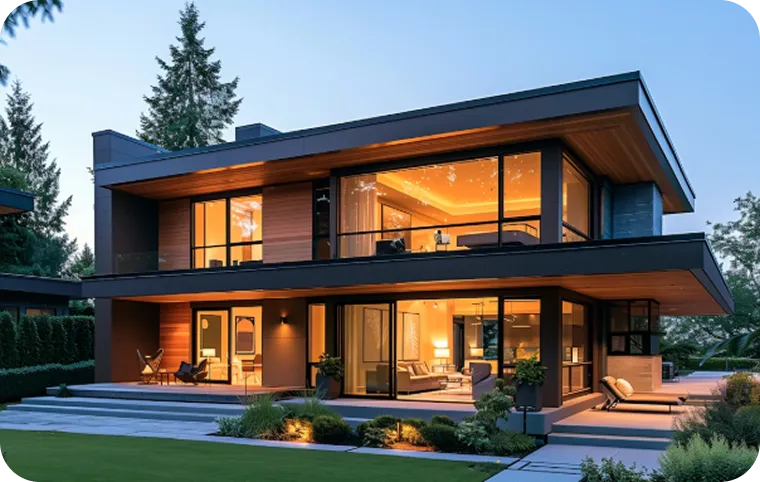
Prefabrication Advantages
Prefabrication offers numerous benefits including reduced construction time, improved quality control, and enhanced worker safety. By moving much of the construction process into controlled factory environments, we can achieve consistency and efficiency that's difficult to match on traditional job sites.
Types of Prefabrication
From simple wall panels to complete modular units, prefabrication comes in many forms, each suited to different project requirements:
- Panelized Systems - Pre-built wall, floor, and roof panels
- Modular Units - Complete rooms or building sections
- Hybrid Systems - Combination of traditional and prefab methods
- Manufactured Components - Specific building elements like trusses or stairs
Cost Benefits
Prefabrication can reduce construction costs by:
- Decreasing labor hours by 30-50%
- Minimizing material waste
- Reducing weather-related delays
- Lowering financing costs through faster completion
What used to take months on-site can now be accomplished in weeks with prefabrication.
Quality Control
Factory conditions allow for superior quality control, with consistent climate, specialized equipment, and easier inspection access. This results in fewer defects and better overall build quality.
The Future is Modular
As technology advances and designs improve, prefabrication is becoming the preferred choice for everything from affordable housing to luxury hotels and office buildings.